Big Gorilla Font for Bold Branding
As a small business owner, I know how important it is to create a strong visual identity that stands out. One of the simplest yet most impactful tools I’ve found is the Big Gorilla font. This bold and chunky display typeface has become a go-to for my branding projects, helping me make my business materials look more professional and consistent across all platforms.
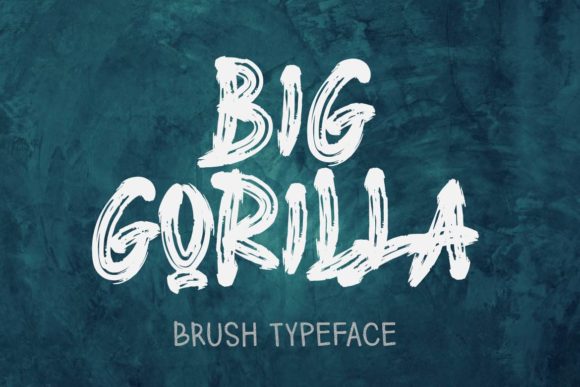
Big Gorilla isn’t just a font—it’s a statement. Its thick, heavy letters give off a sense of strength and confidence, making it perfect for businesses that want to project authority and reliability. Whether I’m designing a logo, creating social media graphics, or working on packaging, this font adds a unique visual flair that catches attention without being overwhelming.
Why Big Gorilla Works for Small Businesses
Small businesses often have limited resources, so every design choice needs to be intentional. Big Gorilla helps streamline that process by offering a versatile typeface that can be used in multiple ways. It’s especially useful when you need a strong headline or a standout logo that doesn’t require complex design elements.
For example, if I’m working with a local bakery, using Big Gorilla for their logo gives it a modern, eye-catching feel that aligns with their brand personality. The same font works well for product labels, where its boldness makes the text easy to read even from a distance. It also looks great on printed packaging, where clarity and impact matter most.
Real-World Applications of Big Gorilla
I’ve used Big Gorilla in a variety of business settings. On a café menu, it adds a clean, professional touch that complements the overall design. For an online shop, it makes product titles stand out in digital ads and social media posts. Even on smaller items like stickers or thank-you cards, the font maintains its presence without looking cluttered.
One of the best things about Big Gorilla is how it adapts to different formats. Whether it’s a large banner on a website or a tiny label on a handmade candle, the font remains legible and visually appealing. That consistency is key for building a recognizable brand.
When to Use Big Gorilla as a Display Font
Big Gorilla shines as a display font, meaning it’s best used for headlines, logos, and other prominent text elements. It’s not ideal for long paragraphs, but that’s okay—its purpose is to make a strong impression where it matters most.
Pairing it with a simpler font like a sans serif or serif typeface can help balance the design. For instance, using Big Gorilla for a headline and a clean, readable font for body text creates a polished look that’s easy on the eyes. This pairing works well for websites, marketing emails, and printed brochures.
Testing Big Gorilla Before Full Implementation
Before committing to a font for your entire brand, it’s wise to test it in different contexts. I always start by applying Big Gorilla to a few key materials—like a logo or a social media post—to see how it looks in real-world scenarios. This helps identify any potential issues with readability or visual harmony.
It’s also helpful to view the font on different devices and screen sizes. What looks great on a desktop might not translate as well to a mobile phone or a printed flyer. Testing ensures that your brand remains consistent and professional across all touchpoints.
Font Pairing Tips for Business Use
Font pairing is an essential part of good design. When using Big Gorilla, consider pairing it with a complementary typeface that offers contrast without clashing. A simple sans serif like Arial or Helvetica can provide a clean, modern counterbalance to the boldness of Big Gorilla.
If you’re going for a more elegant look, pairing Big Gorilla with a serif font like Georgia or Times New Roman can add sophistication. For a more casual or creative vibe, a handwritten or script font might work well as a secondary element. The key is to maintain a cohesive visual style that supports your brand message.
Commercial Licensing and Practical Considerations
As a business owner, it’s important to remember that fonts come with licensing agreements. Always check the commercial use terms for Big Gorilla before using it on products, packaging, templates, or client work. Some fonts are free for personal use only, while others require a license for business applications.
By understanding these rules, you can avoid legal issues and ensure that your designs remain compliant. Many font vendors offer clear guidelines, so take the time to review them before finalizing any project.
Ultimately, Big Gorilla is more than just a font—it’s a tool that helps small businesses express their identity with confidence. Whether you’re launching a new brand or refining an existing one, this display font offers a powerful way to make your business stand out in a crowded market.